What makes memorable architecture different from simply beautiful architecture? Most people don’t remember a building because of its size or appearance. They remember it because of how it made them feel. The most meaningful spaces create emotional connections that stay with us long after we’ve left.
Perhaps it was your childhood home, a quiet chapel, a park where you spent countless afternoons, or a café where an important conversation changed your life.
Chances are, what you remember isn’t the exact floor plan, the dimensions of the room, or the materials on the walls.
You remember how it made you feel.
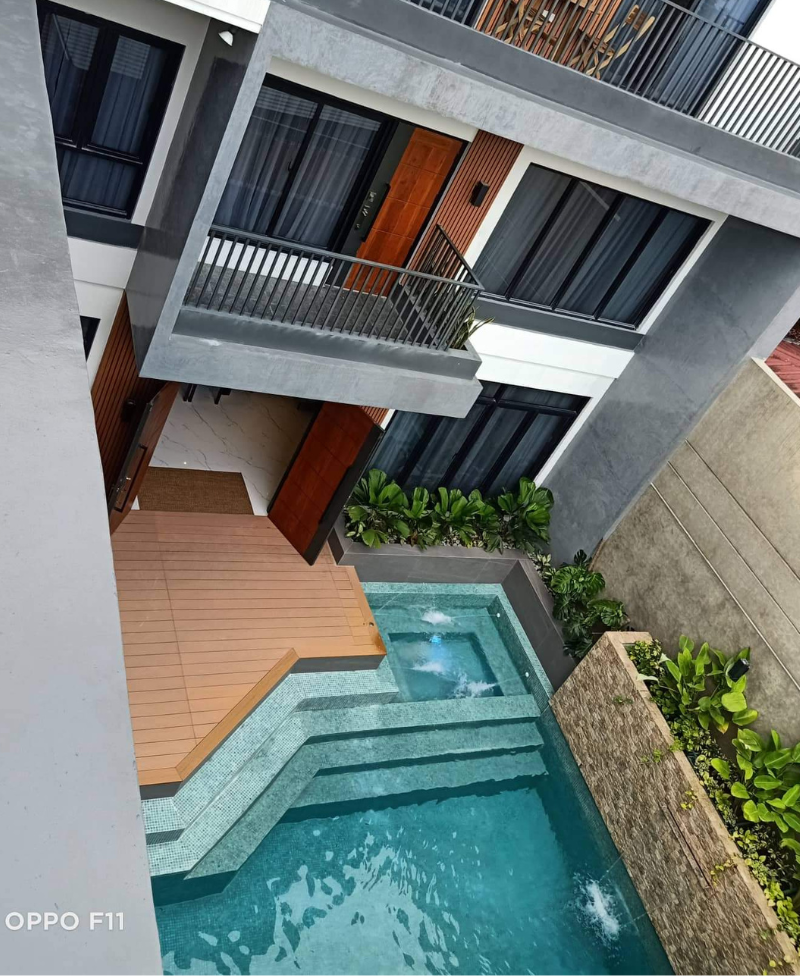
As designers, we often celebrate beautiful architecture through photographs, impressive forms, and carefully crafted details. But I’ve come to believe that the most successful spaces are not simply the ones that just photograph well, they are the ones that leave a lasting emotional imprint on the people who experience them.
That emotional connection is what transforms a building into a place.
Why Memorable Architecture Goes Beyond Beauty
Beauty matters.
Good proportions, thoughtful materials, and refined details are essential to good architecture.
But beauty alone rarely creates memories.
The places that remain with us are often those that witnessed meaningful moments in our lives. They become the backdrop to family gatherings, celebrations, quiet reflection, friendship, worship, and personal growth. Over time, these experiences become inseparable from the spaces themselves.
As human beings, we naturally attach emotions to places.
Long after we’ve forgotten the exact design details, we remember the feeling of being there.
That’s why every project we design begins with a simple question:
How do we want people to feel when they enter this space?
The answer often shapes the design more than any stylistic preference ever could.
How Light Shapes Memorable Architecture
If there is one design element that consistently shapes emotion, it is light.
Natural or artificial, light has an extraordinary ability to influence our mood, behavior, and perception of space.
A warm glow invites people to linger.
Soft indirect lighting creates comfort and intimacy.
Filtered daylight brings calmness and clarity.
Throughout our projects, we intentionally layer natural and artificial lighting to create spaces that feel welcoming rather than overwhelming. We want people to experience architecture…not simply see it.
Among all forms of light, natural daylight continues to fascinate me the most.
Unlike artificial lighting, it is never static.
Morning light feels different from afternoon light.
The changing seasons alter the atmosphere of a room.
Clouds soften a space one day, while clear skies fill it with brilliance the next.
In many ways, nature becomes a silent collaborator in the architecture, continuously reshaping the experience long after construction has been completed.
Designing Emotional Architecture Through Natural Light
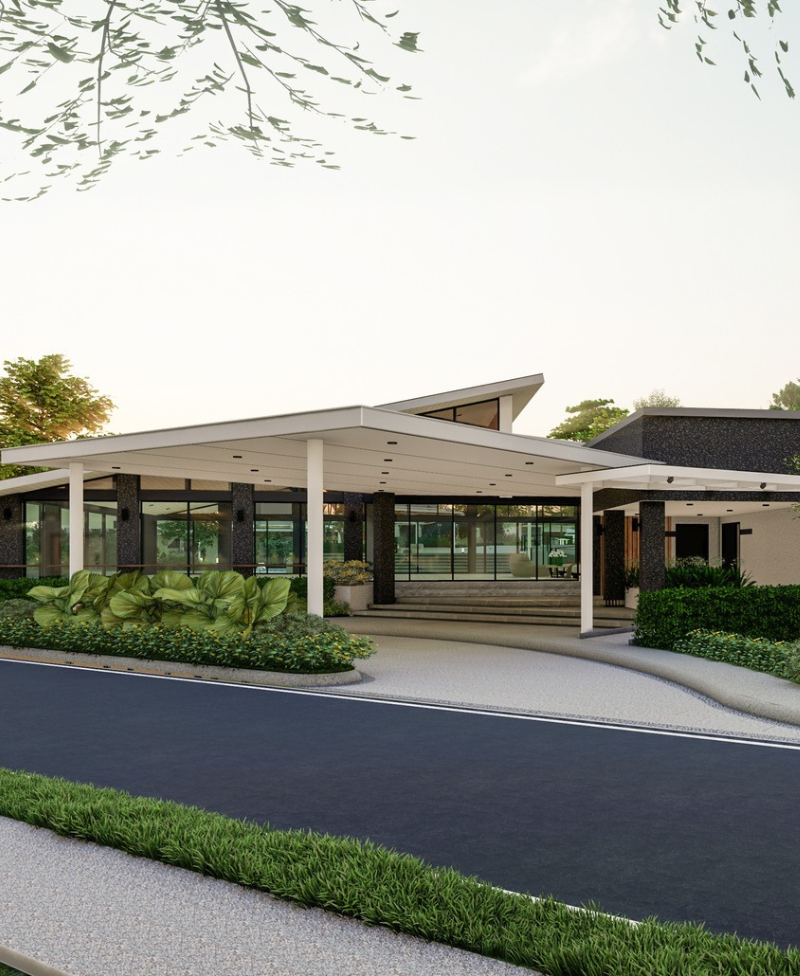
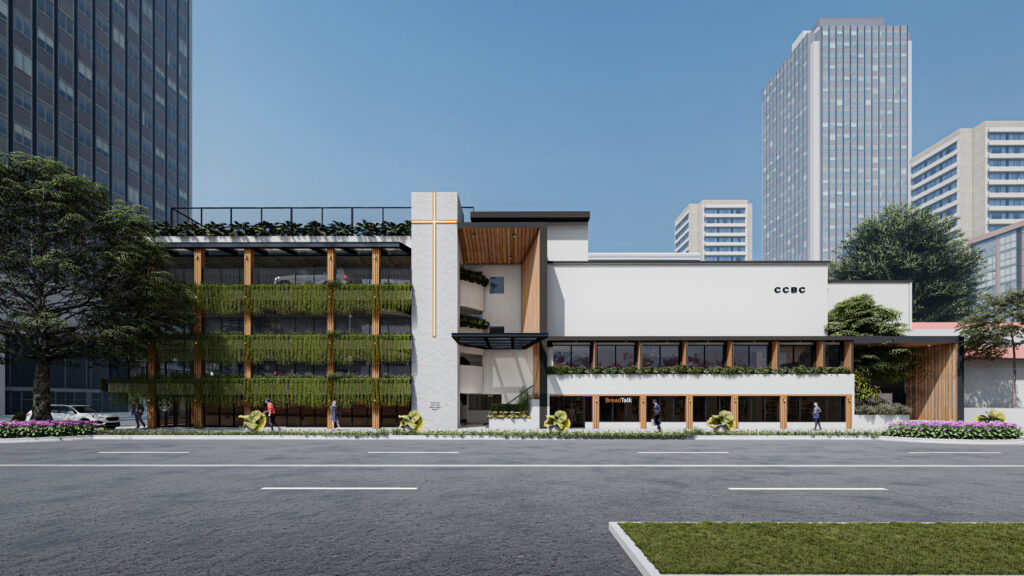
One project that embodies this philosophy is our design for the Capitol City Baptist Church.
The guiding concept was Genius Loci, the “spirit of the place.”
Rather than designing only for functionality, we wanted the architecture to reflect the deeper spiritual identity of the congregation and the experience of worship itself.
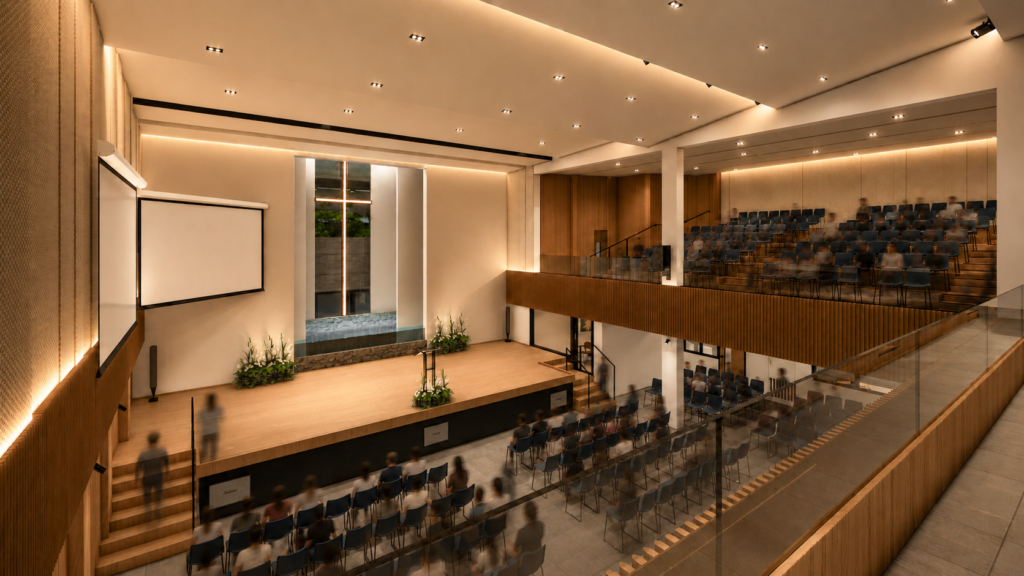
At the heart of the sanctuary, we introduced a skylight directly above the central cross.
We carefully studied the sun’s path throughout the year to understand how natural light would enter the space during the hours when church services typically take place.
As sunlight moves through the sanctuary, it gently illuminates the cross before gradually shifting toward the baptistry below. Reflections from the water create subtle ripples of light across the sanctuary, quietly reinforcing the symbolism of faith, renewal, and baptism.
Throughout the afternoon, carefully positioned walls and concrete ledges soften direct sunlight, maintaining visual comfort while preserving the focus on the sanctuary’s sacred elements.
In this project, light was never treated as a technical requirement.
It became part of the architecture’s narrative.
How Nature Creates Memorable Spaces
The experience extends beyond the sanctuary itself.
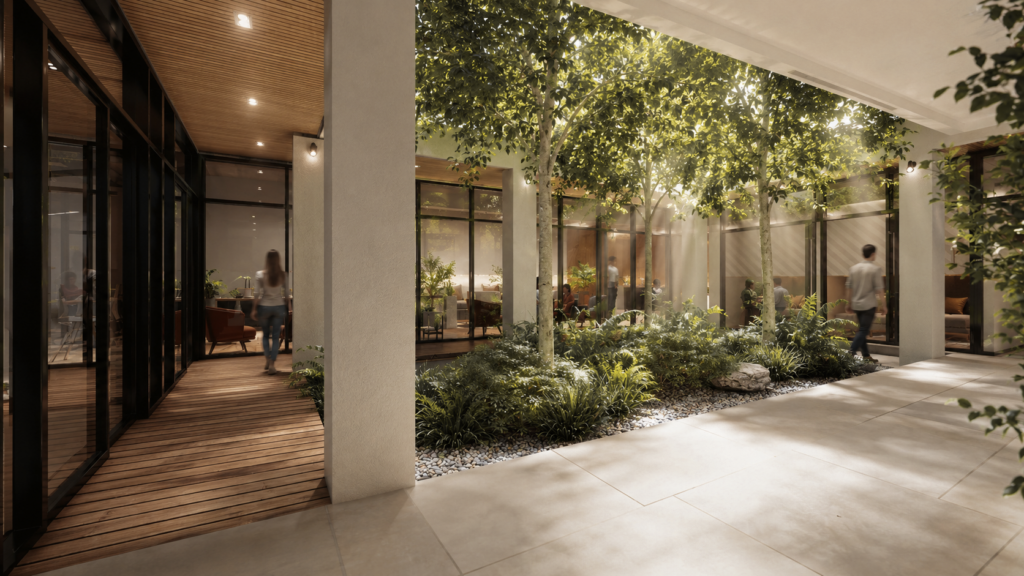
At the center of the church, we designed an internal courtyard that serves both practical and symbolic purposes.
Functionally, it acts as a light well and the lungs of the building, bringing daylight and fresh air deep into the interior.
Emotionally, it creates a constant reminder of the relationship between creation and worship.
Behind the cross, expansive glass opens views toward tree canopies and natural stone, allowing nature to become part of every service.
Around this courtyard, spaces for prayer, meditation, fellowship, and quiet reflection encourage moments of pause throughout the day.
Rather than separating architecture from nature, we wanted each to strengthen the other.
The landscape becomes more than scenery.
It becomes part of the spiritual experience.
Why Nature Makes Places Memorable
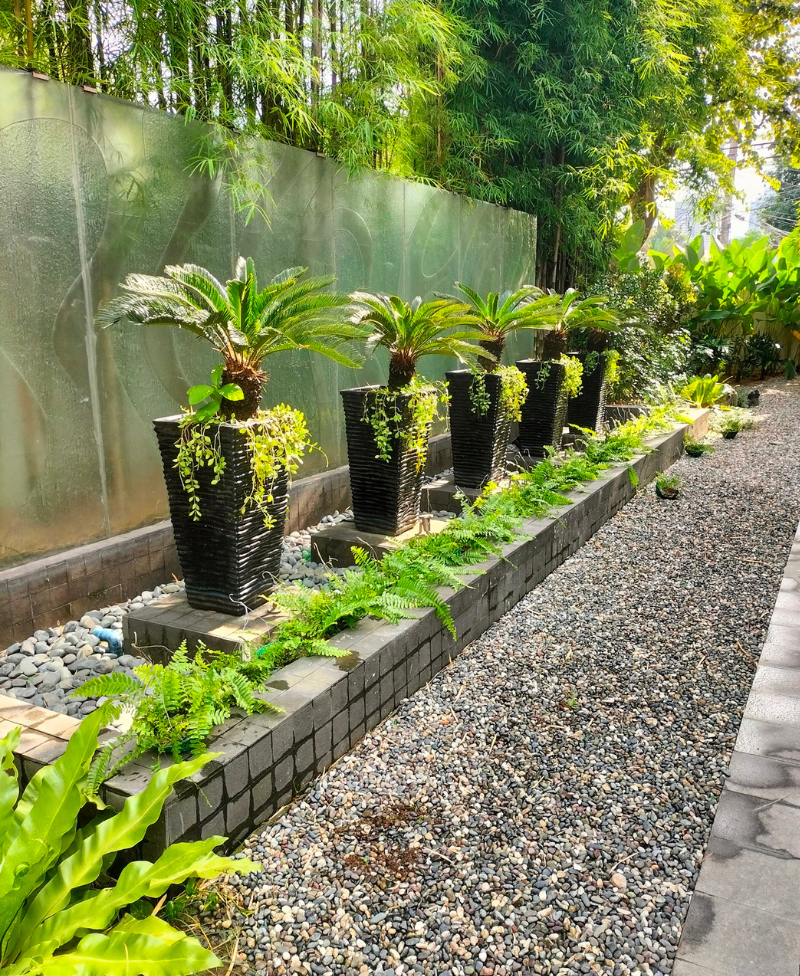
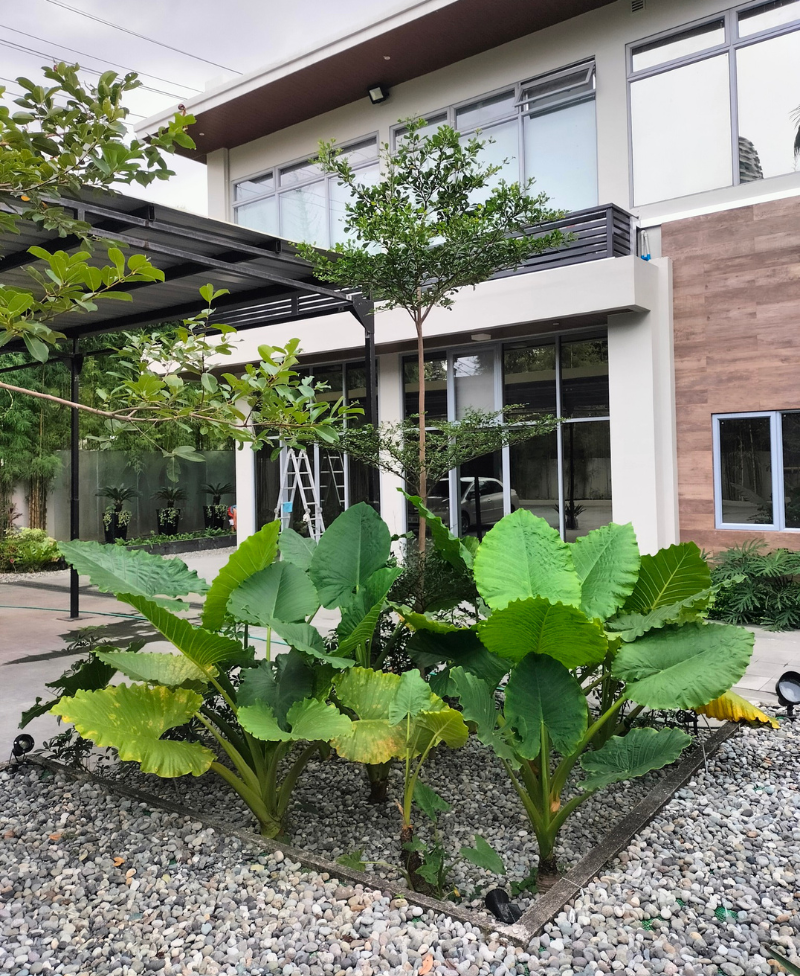
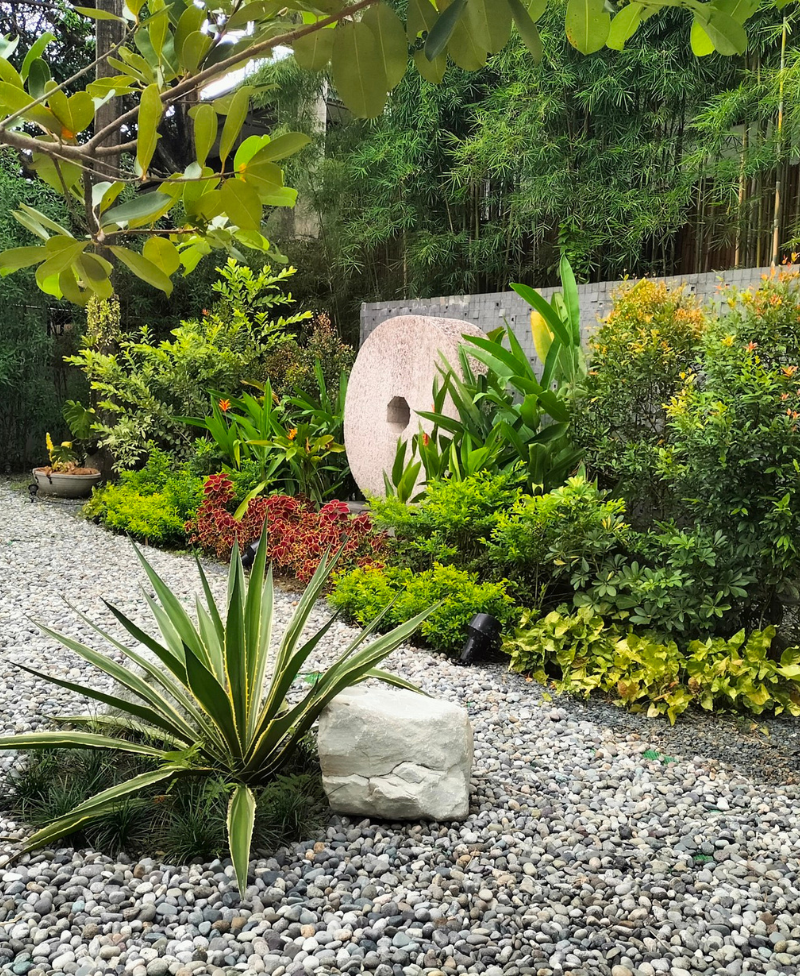
Perhaps this is why nature has always been central to our design philosophy.
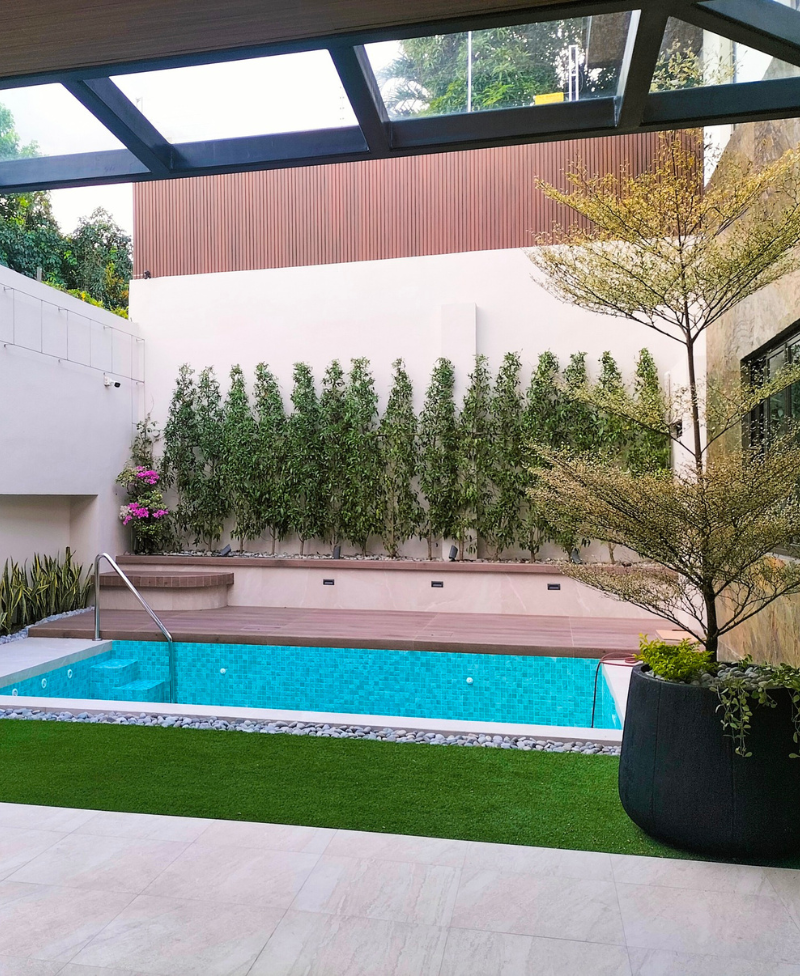
People are instinctively drawn to daylight, trees, water, fresh air, and the changing rhythms of the seasons.
These elements have an extraordinary ability to reduce stress, encourage reflection, and create a sense of belonging.
When architecture embraces these natural qualities instead of competing with them, spaces begin to feel more alive.
More personal.
More meaningful.
They become places people don’t simply visit.
They become places they carry with them long after they’ve left.
Creating Architecture People Never Forget
As architects and landscape architects, it’s easy to become focused on drawings, materials, dimensions, and technical details.
Those things matter.
But they are not what people remember.
What people remember is gathering around a table with family.
The warmth of afternoon sunlight entering a room.
The quiet comfort of sitting beneath a tree.
The peaceful silence inside a place of worship.
The feeling of coming home.
Those experiences are what give architecture its lasting value.
At Built Scape Design Studio, we believe our responsibility goes beyond designing beautiful buildings. We strive to create places that foster connection, inspire reflection, and grow more meaningful with time.
Because the spaces that truly matter are not the ones people admire for a moment.
They are the ones they remember for a lifetime.
Our philosophy of designing memorable spaces begins with viewing architecture and landscape as one connected system. In our previous article, What Happens When an Architect Thinks Like a Landscape Architect?, we share how this integrated approach influences every project we design.