Address: Alaminos, Laguna
When Architecture and Landscape Architecture Become One
Most people see a building and a landscape as two separate things. The building comes first. The garden comes later.
Architecture creates the structure, and the landscape simply fills the spaces around it.
But after practicing both architecture and landscape architecture, we’ve come to realize that this way of thinking misses something fundamental.
We no longer see a project as a building placed on a site. We see it as one living system, shaped by nature, time, and human experience.
That single shift in perspective changes everything.
Seeing Beyond the Building
An architect is trained to understand proportion, structure, composition, function, and the way people occupy space.
A landscape architect reads a site differently. The focus extends beyond buildings to vegetation, ecology, water, movement, and how a place evolves over time.
When these two disciplines come together, design becomes less about creating an object and more about understanding how an entire environment behaves.
Every project begins with reading the land.
Of course, we study the fundamentals…sun path, prevailing winds, views, access, circulation, and topography. But we also examine the site as a living ecosystem. We observe existing vegetation, soil conditions, drainage patterns, water movement, ecological relationships, and how the landscape naturally functions before a single line is drawn.
Instead of treating architecture and landscape as separate studies, we read them as one continuous story.
Learning to See Space Differently
Perhaps the greatest difference is not in the drawings we produce, but in the way we observe the world.
An architect notices structure, scale, rhythm, and composition.
A landscape architect notices flow, ecology, growth, and movement across time.
Practicing both disciplines teaches you to see relationships rather than individual elements.
You begin to notice how sunlight slowly travels across a façade throughout the day, how shadows soften hard architectural edges, and how a single tree can frame a view, provide comfort, reduce heat, or quietly guide someone toward an entrance.
You start observing how people naturally inhabit places…where they gather, where they pause, where children instinctively play, and which paths become worn because they feel more intuitive than the ones originally planned.
These small observations often shape the most meaningful design decisions.
“When these two disciplines come together, design becomes less about creating an object and more about understanding how an entire environment behaves.”
Designing for Time, Not Just Completion
Buildings are often perceived as complete the day construction finishes.
Landscapes are different.
They mature.
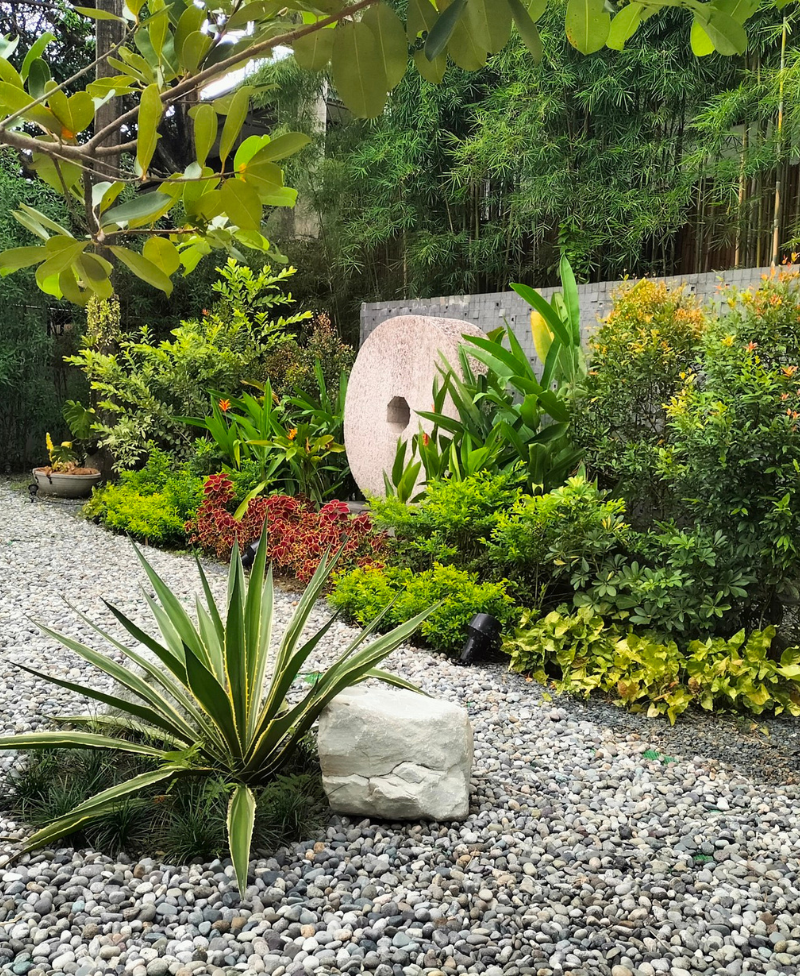
Trees grow taller. Canopies widen. Planting becomes richer. Seasonal changes transform color, texture, light, and atmosphere.
A thoughtfully designed landscape today will feel different in one year and even more layered a decade later.
This idea fundamentally changes how we approach architecture.
We don’t simply design for opening day.
We design for how a place will continue to evolve long after construction crews have left.
The passing of time becomes another design material.
One Design Language
For us, architecture and landscape should never compete with one another.
They should speak the same language.
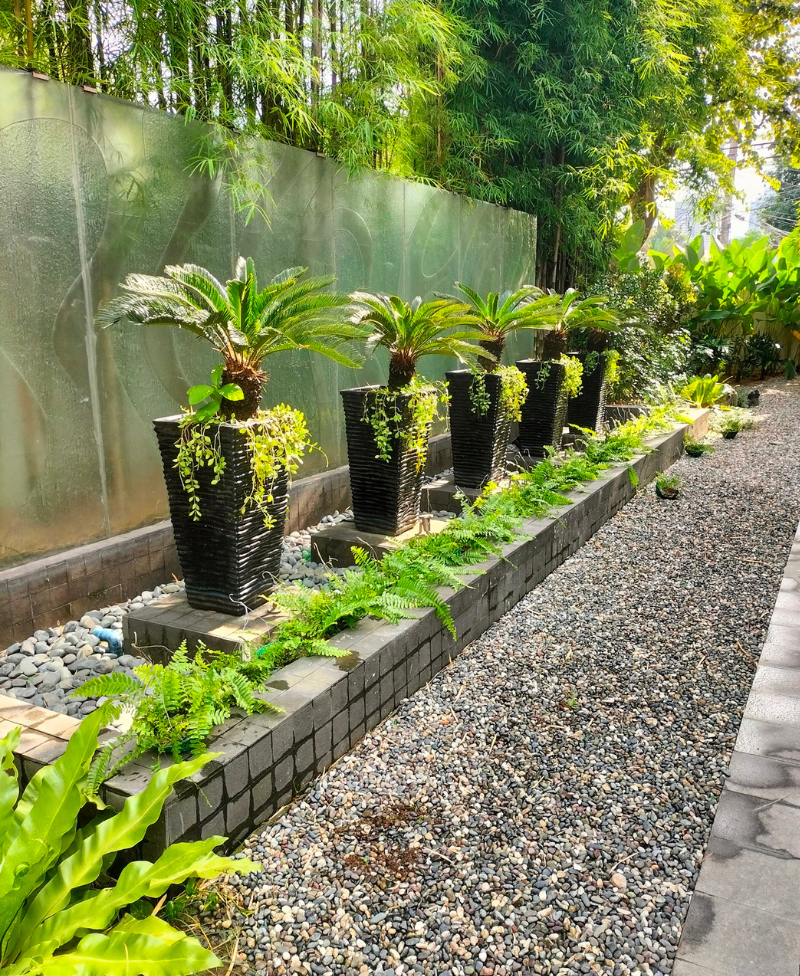
A classical residence deserves a landscape with equally classical principles, symmetrical layouts, formal planting compositions, carefully detailed paving patterns, elegant site furnishings, and lighting that reinforces architectural order.
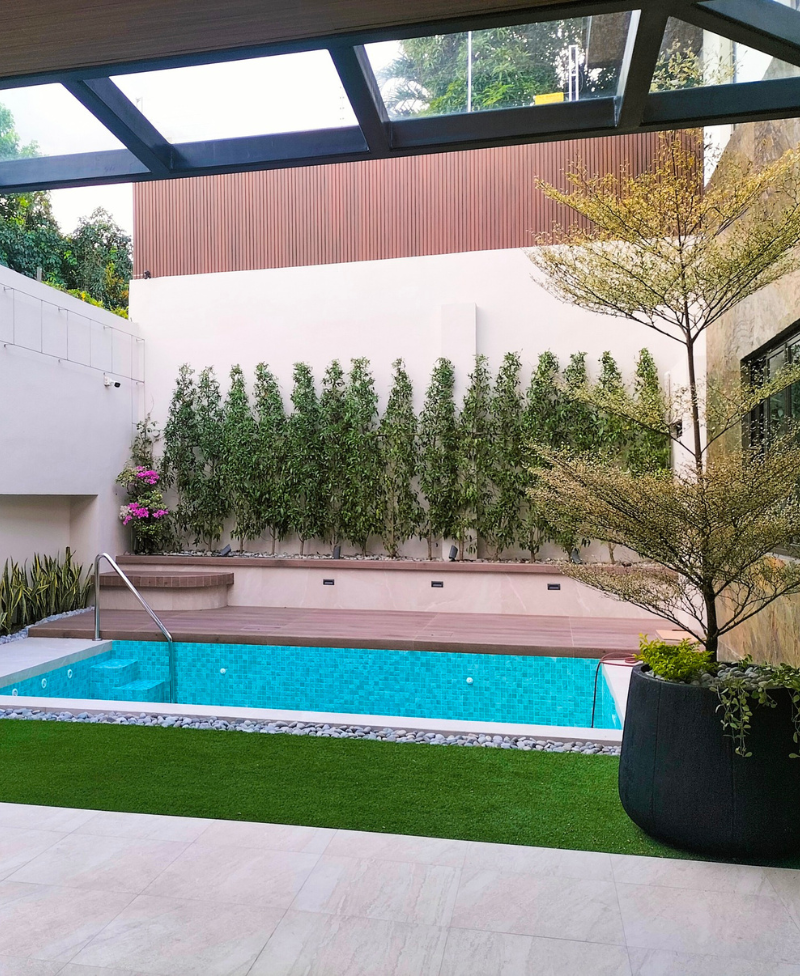
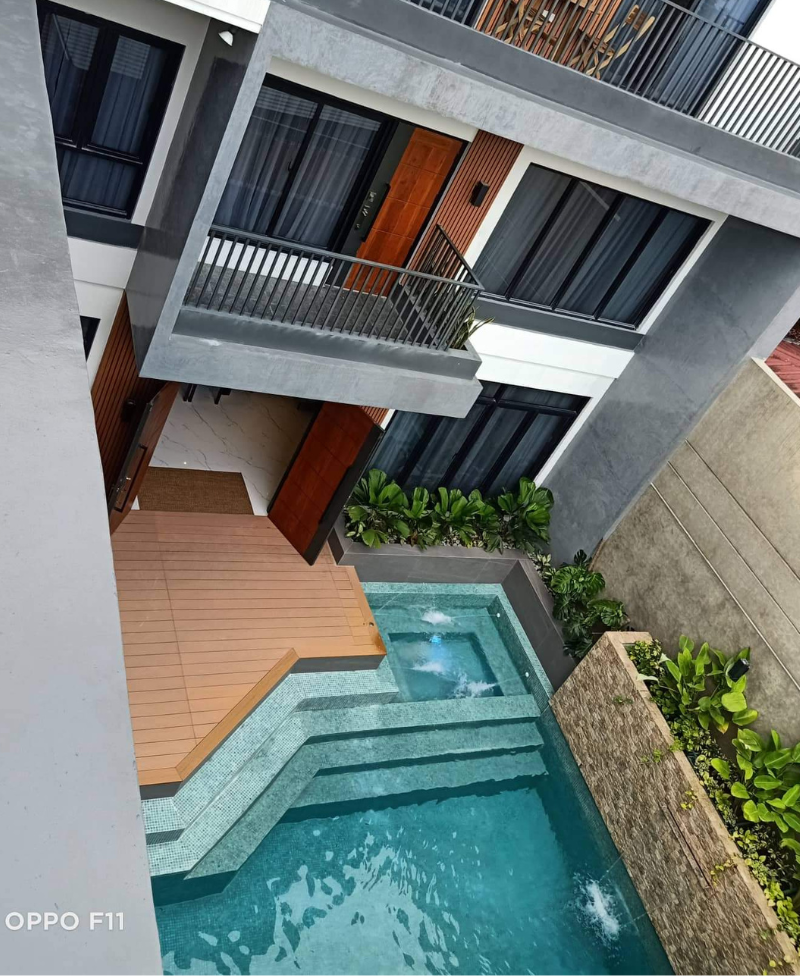
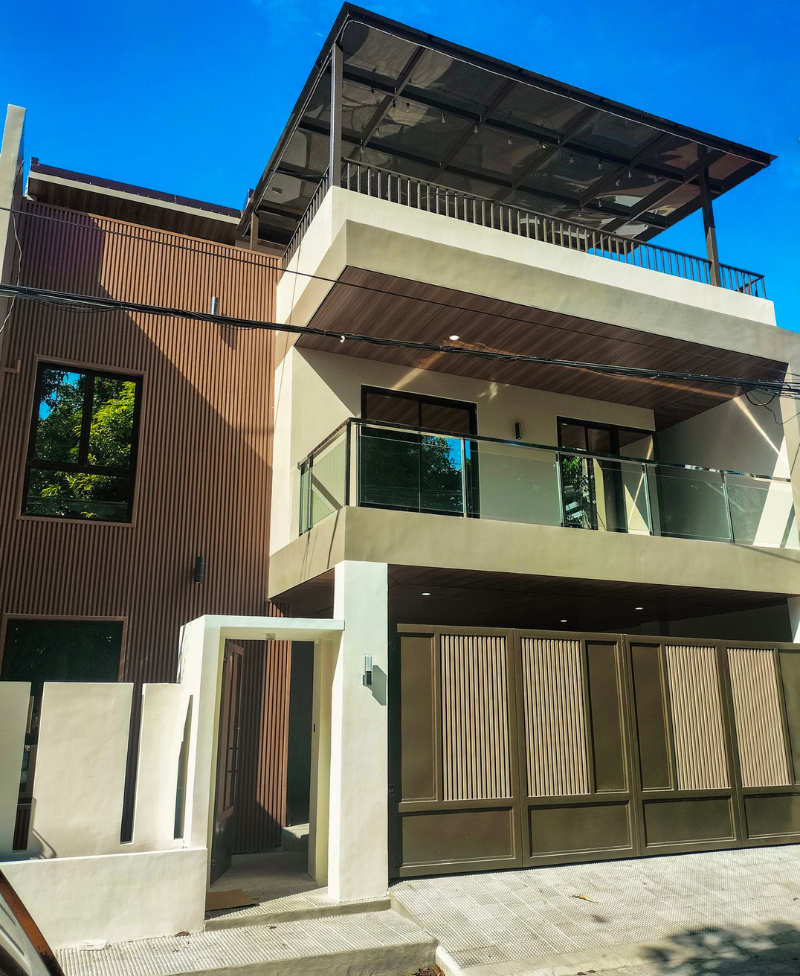
A contemporary home calls for cleaner geometry, restrained planting palettes, minimalist materials, and outdoor spaces that extend the architecture rather than decorate it.
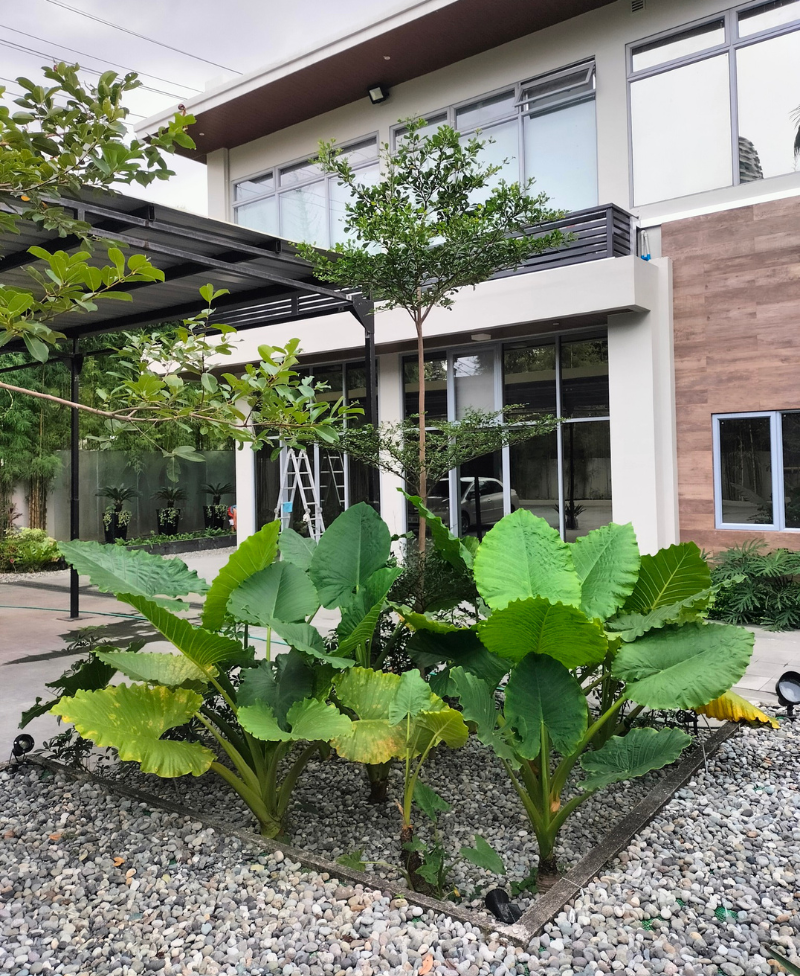
A tropical modern project embraces native planting, natural textures, filtered shade, and outdoor living spaces that blur the line between indoors and outdoors.
When architecture and landscape share the same vocabulary, the entire project feels intentional rather than assembled.
When Landscape Becomes Infrastructure
Landscape is often misunderstood as decoration.
In reality, it is one of the hardest-working systems on any site.
When integrated from the beginning, it becomes part of the project’s performance.
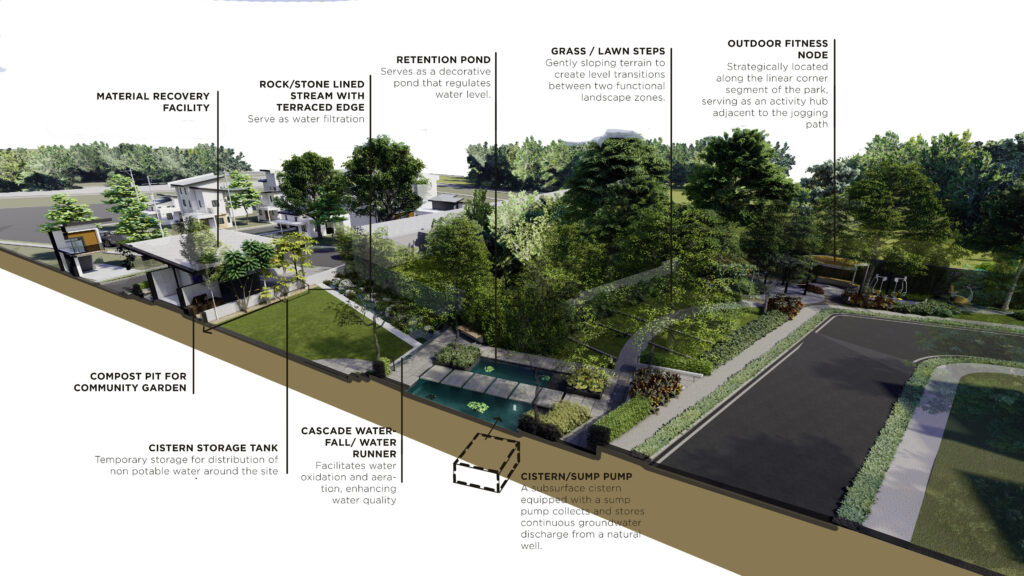
Grading manages stormwater.
Planting provides passive cooling.
Trees reduce heat gain.
Landforms guide circulation.
Open spaces improve ventilation.
Drainage systems, environmental control, and ecological restoration all become part of the landscape’s role.
At this point, landscape design extends beyond aesthetics into landscape engineering, where beauty and technical performance are inseparable.
The landscape is no longer simply surrounding the architecture.
It actively supports it.
Designing Everything Together
This integrated thinking shapes our work from the very first sketch.
The placement of a building determines how outdoor spaces are formed.
The landscape, in turn, strengthens the architecture through framing, transitions, sequencing, and environmental performance.
Each decision influences the next until the project begins to function as one cohesive environment rather than separate disciplines working side by side.
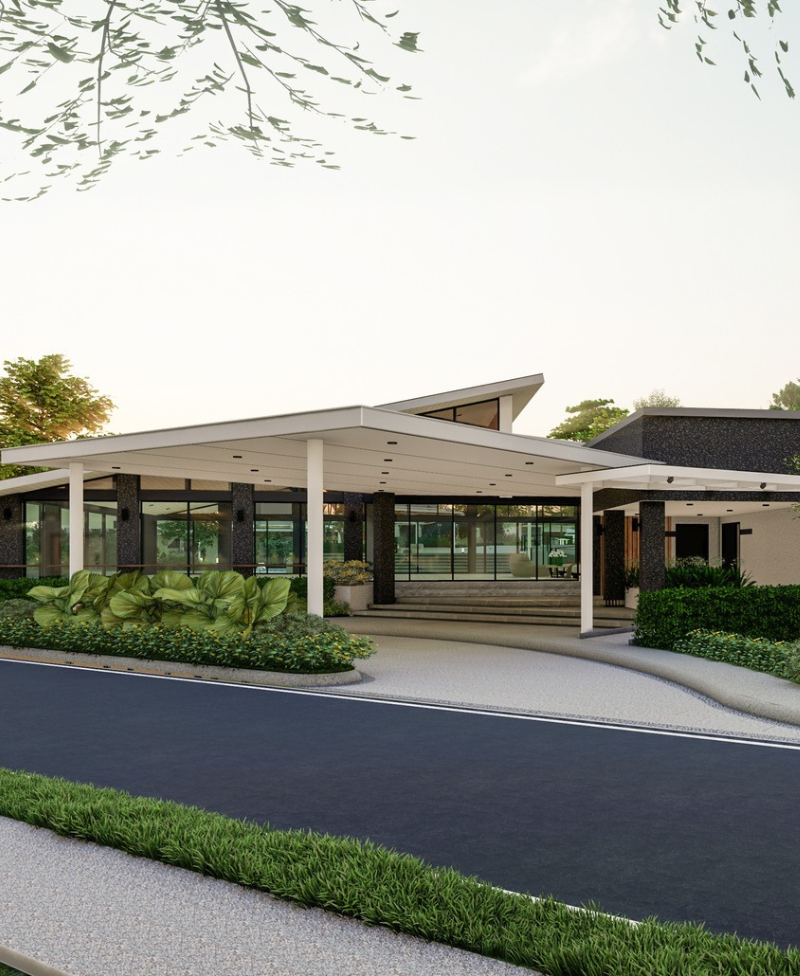
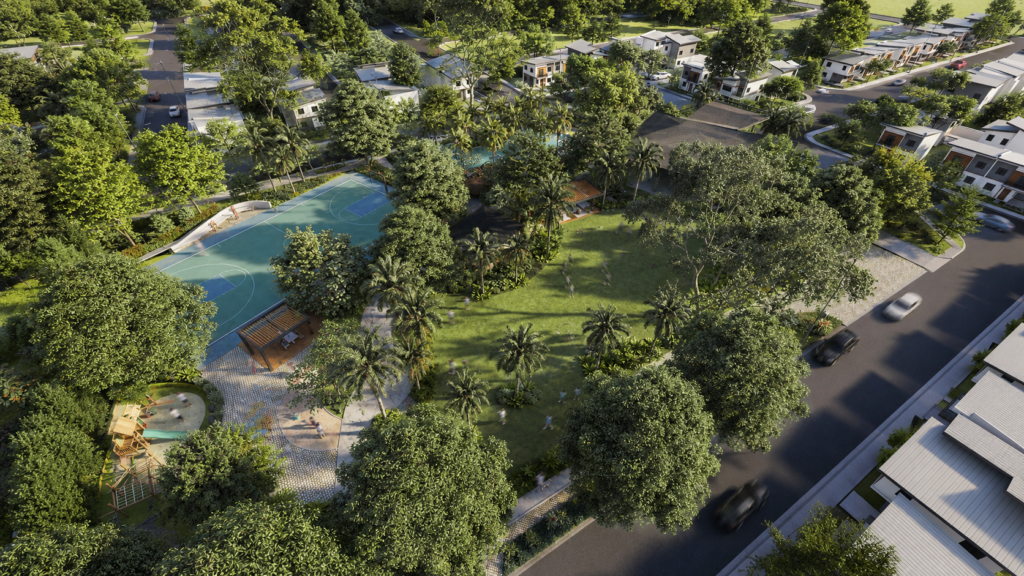
We’ve had the opportunity to fully explore this philosophy through projects where we were commissioned to design both the architecture and the landscape architecture simultaneously, including the Amaresa 3 Main Amenity Clubhouse and the Sentrina Alaminos Amenity for Red Oak Properties.
These projects allowed us to design architecture, circulation, open spaces, planting, grading, and user experience as one integrated composition instead of disconnected scopes of work.
The result is a place that feels natural because every element was conceived together.
Address: Marilao, Bulacan
Beyond the Office
This way of thinking doesn’t stop when we leave the studio.
Whether walking through a city street, sitting in a quiet park, or visiting another country, we naturally begin asking questions.
Why do people gather here but not there?
Why does this space feel comfortable?
How does the landscape change the way this building is experienced?
How will this place feel ten years from now?
For us, design is no longer simply about creating buildings.
It is about understanding the ongoing relationship between people, nature, and the built environment.
A building gives structure.
The landscape gives life.
Together, they create places that are not only beautiful on the day they are completed, but places that continue to grow, mature, and enrich the lives of the people who experience them.